
The pyramids of Giza at a glance
The Giza Plateau holds the royal tombs of the 4th Dynasty, dated to about 2613 to 2494 BCE. The three main pyramids belong to Khufu (Greek: Cheops), Khafre (Chephren) and Menkaure (Mykerinos). Around them lie smaller pyramids, mastabas, boat pits, valley and mortuary temples and the causeways that join them.
The Great Pyramid of Khufu is the last surviving of the seven wonders of the ancient world. Giza belongs to the World Heritage site Memphis and its Necropolis, the Pyramid Fields from Giza to Dahshur, inscribed in 1979. If you want the history with a guide on the spot, look at our guided Giza pyramids tours.
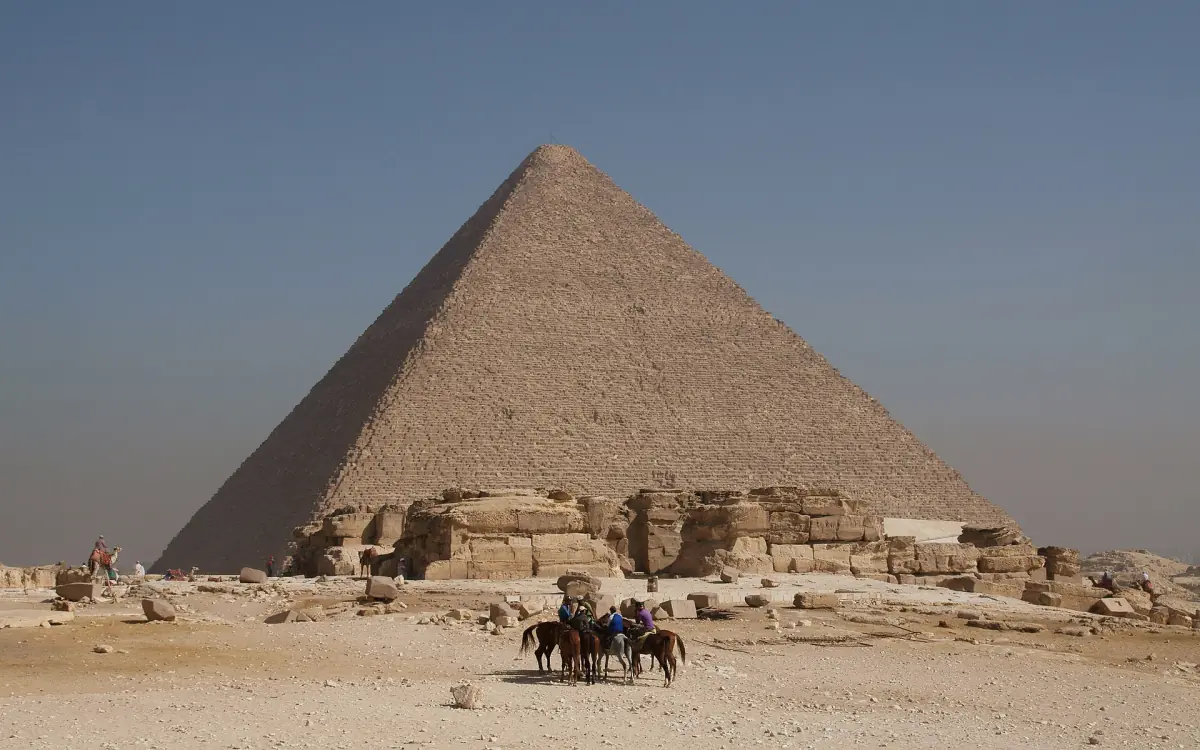
Pyramid kings and dates
Regnal dates are approximate and vary between scholars.
| King | Reign (approx.) | Monument | Place |
|---|---|---|---|
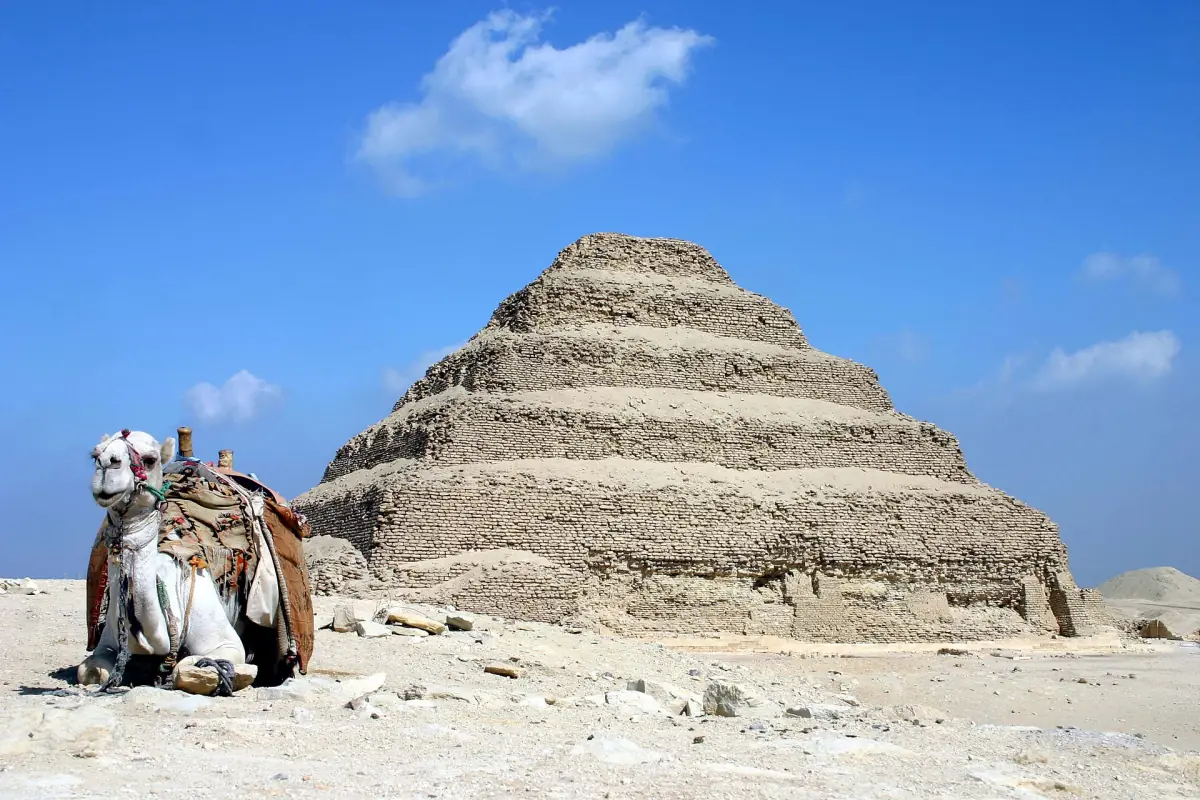
| Djoser | 2686–2667 BCE | Step Pyramid | Saqqara |
| Snofru | – | Bent and Red Pyramids | Dahshur |
| Khufu (Cheops) | 2589–2566 BCE | Great Pyramid | Giza |
| Khafre (Chephren) | – | Second pyramid; the Sphinx is dated to 2558–2532 BCE | Giza |
| Menkaure (Mykerinos) | 2532–2503 BCE | Third and smallest main pyramid | Giza |
Snofru was the first king of the 4th Dynasty. His two pyramids at Dahshur come before Giza. You can visit them on a Saqqara and Dahshur tour.
Our pick: a day with an Egyptologist
Giza, Saqqara and Memphis show the story of the pyramids from the step pyramid onwards.
Hand-picked tours, booked through GetYourGuide. Prices are indicative starting prices in US dollars (as of October 2026). Tap a tour for live availability and the current price in your currency.
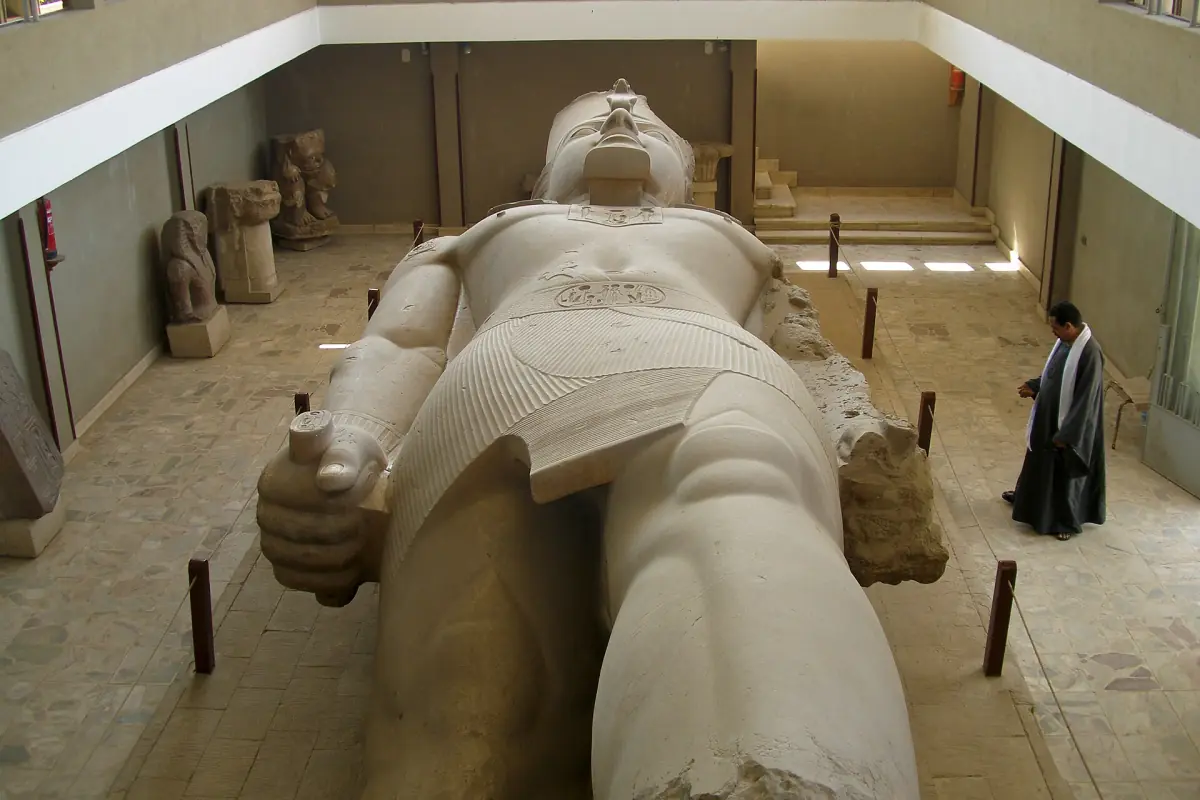
Giza pyramids tours with a guide
Guided trips to the pyramids and the Sphinx, with live prices and availability.
The three great pyramids
What each king left behind.
Khufu: the Great Pyramid
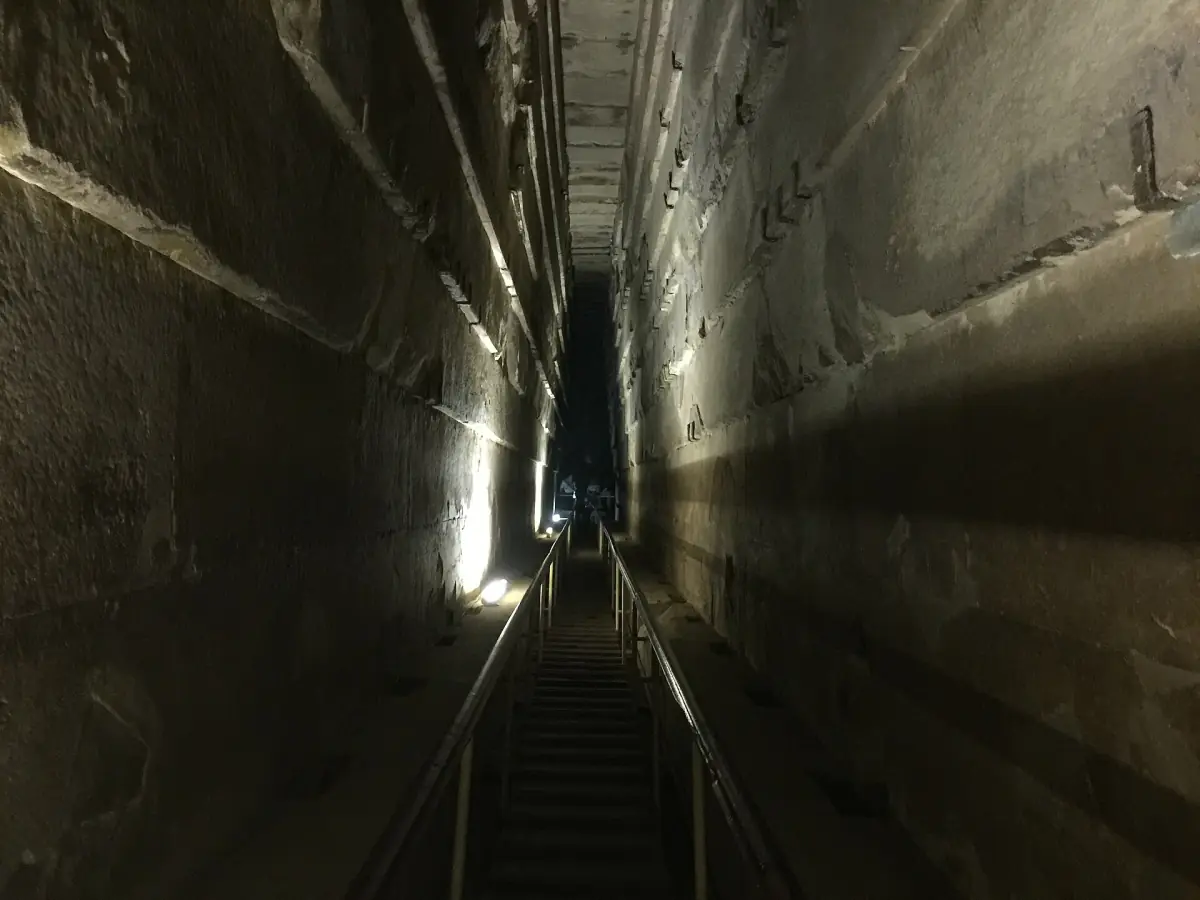
The Great Pyramid dates to Khufu's reign of about 2589 to 2566 BCE. Its original height was 146.5 m. It was built from local limestone and clad in white Tura limestone. Inside, the King's Chamber with its sarcophagus is reached by the Grand Gallery, and there is also a chamber cut into the rock below and another in the masonry. The exact building method is not fully clear, and no single ramp design has been proven.
Inside the Great Pyramid →Khafre: the second pyramid
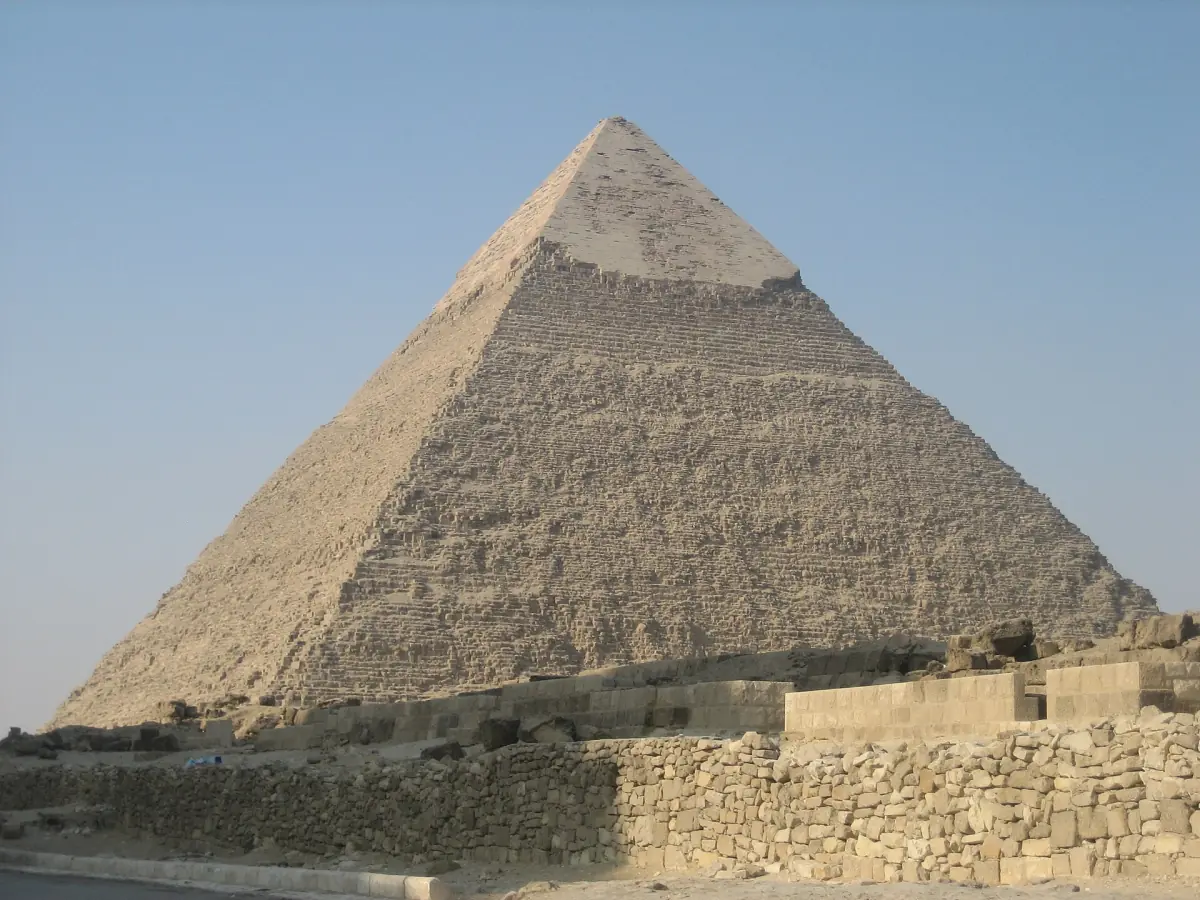
Khafre's pyramid stands on the plateau next to the Sphinx and keeps part of its original casing near the top. The Sphinx is carved from the natural rock, and the evidence points to Khafre's reign, about 2558 to 2532 BCE. It is an attribution based on archaeology, not a date carved on the monument.
The Great Sphinx →Menkaure: the smallest
Menkaure ruled about 2532 to 2503 BCE. His pyramid was 65 m high and the smallest of the three. Part of its casing was granite. Smaller queens' pyramids stand next to it.
Who built the pyramids
The popular picture of an army of slaves does not hold up. Researchers describe native craftsmen and laborers who were supplied with food, including bread and beer. Exact worker numbers are not known.
The strongest evidence comes from a large settlement on the plateau. Excavations that have run since 1988 found housing, bakeries, livestock pens, officials' houses and an administrative building. This is archaeological ground, not a visitor park. You will not walk through a reconstructed workers' village on a normal visit.
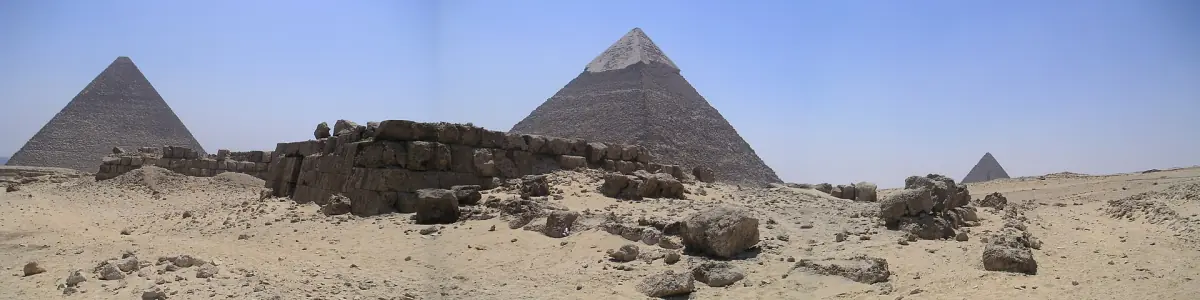
The Sphinx and the temples
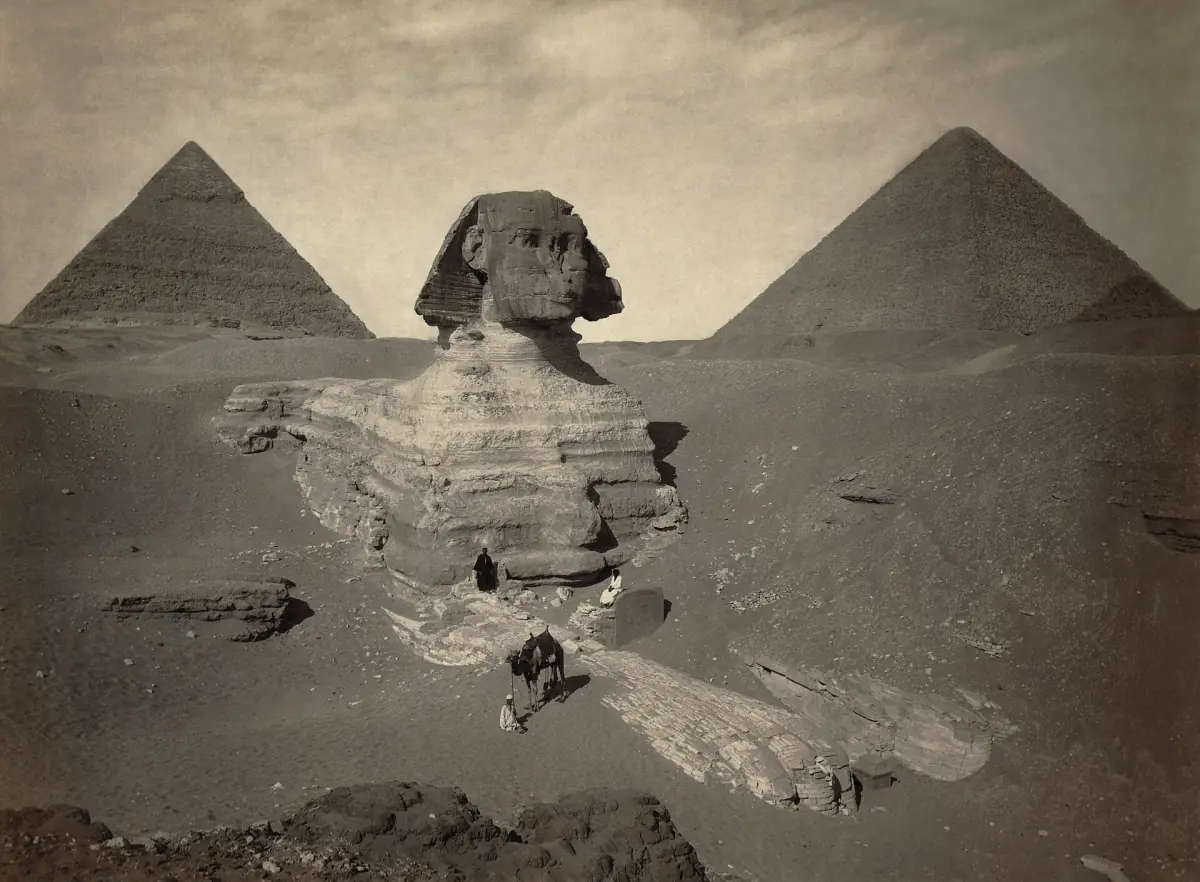
The Great Sphinx is a lion's body with a royal human head, cut from the bedrock. It measures 73.5 m long, 19 m wide and 20 m high. The Sphinx Temple stands in front of the figure, and Khafre's valley temple is right next to it. A causeway links the valley temple to the pyramid complex.
Photographs from the 19th century show the Sphinx half buried in sand. That is how many early travelers saw it.
What is still open
Not every question has an answer.
Building methods
The way the stones were raised is not fully settled. Serious accounts talk about ramps, levers and a large organized workforce, not about lost technology.
Exact dates
Reign dates differ between chronologies by years or decades. Use them as a guide, not as fixed points.
Today's height
The Great Pyramid is lower now than its original 146.5 m, because the tip and the casing are gone. A precise modern figure is better checked on site.
Kings of a later age were buried far to the south. For their tombs, see the Valley of the Kings.
Pyramids of Giza history: frequently asked questions
Who built the pyramids of Giza?
They were built for the 4th Dynasty kings Khufu, Khafre and Menkaure by native craftsmen and laborers. Researchers do not describe an army of slaves. Workers were provisioned, among other things with bread and beer.
How long did the Great Pyramid take to build?
The estimate is 10 to 20 years. Khufu's reign is dated to about 2589 to 2566 BCE.
How tall was the Great Pyramid originally?
About 146.5 m, roughly 147 m. Today it is lower because the tip and the casing are gone.
Which king built the Sphinx?
The Sphinx is linked to Khafre on the evidence of its surroundings, in about 2558 to 2532 BCE. It is an attribution, not an inscribed date.
Is the Great Pyramid one of the seven wonders?
Yes. It is the only one of the seven wonders of the ancient world that still stands.